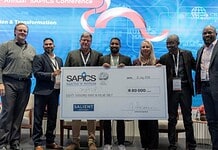











An R18m donation from an alumnus will go towards research into African-centric medicines for infectious diseases at the University of Cape Town (UCT) Drug Discovery and Development Centre, H3D.
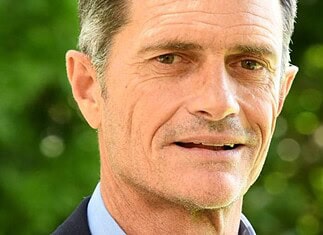
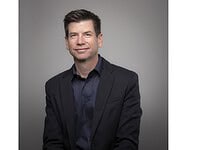
The donation will be used to establish an initial five-year Neville Isdell (former chairman and CEO of Coca Cola and UCT graduate) Chair in African-centric Drug Discovery and Development at H3D. The centre’s director and founder, Professor Kelly Chibale, will hold the chair, which includes the directorship of H3D.
“I am excited about playing a part in helping to achieve African solutions to public health challenges on the continent and across the world. I hope this support will help Professor Chibale to drive and lead innovative research and development (R&D) of new malaria medicines, as well as new tuberculosis and antimicrobial resistance treatments, and train a new generation of African scientists with key modern pharmaceutical skills required to discover modern medicines,” said Isdell.
The donation will be used partly to lead efforts in establishing the H3D African Drug Metabolism and Disposition Project, also known as the H3D African Liver Project. This project will focus on addressing the issue of variability in drug response across African populations, which is mostly driven by genetic differences in the expression and activity of drug metabolising enzymes.
Chibale said the aim was to develop and validate a preclinical discovery tool that can be used to prioritise drug candidates during their chemical lead optimisation phase based on the predicted pharmacological profile in African patients.
“In addition to providing useful data for targeted clinical trial design, and eventually for the establishment of better directed drug dosage and dosage intervals, the African Liver Project will also make H3D a unique centre of excellence where scientists from the Global North and Africa will work hand in hand to better understand genetic variability in diverse African populations,” said Chibale.
H3D already has a potential drug for malaria in human trials. The potent anti-malarial clinical development candidate has the potential to cure, block transmission and protect in a single dose. The H3D portfolio also includes projects targeting tuberculosis drug discovery and is expanding to address the serious threat of antimicrobial resistance, in part driven by hospital infections resistant to conventional antibiotics.
Chibale said the funding would be put to extremely good use at H3D, which was launched eight years ago, and has grown from a staff of four scientists to 60.
“H3D will need sustainable funding at critical mass if it is to succeed. Should H3D continue to be successful, it could result in the beginning of a home-grown pharmaceutical R&D industry that would focus on the unmet medical needs of African populations and create high skilled jobs for African scientists.”