











Several business sector organisations affiliated to the Cape Chamber report widespread disruption related to the ongoing Western Cape taxi industry strike.
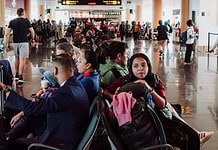
Although for many sectors it is too soon to quantify the economic loss, all report widespread absenteeism linked to commuter inability to reach the workplace.
One sector drew a parallel between the impact of the strike on business operations and the impact of Covid-19.
Some of the impacts to date include:
- Retail Motor Industry Sector: 50% workforce impact, which has implemented a “no work, no pay” policy. Turnover has so far been significantly affected, with fewer customer visits
- Business Process Outsourcing Sector: Significant impacts, with fears that negative publicity might result in operations shifting away from Cape Town
- South African Oil & Gas Alliance: Partial workforce impacts in strike-affected areas
- The Independent Community Pharmacy Association: Staff using public transport to work from home
- Fish SA: 80% of the workforce affected. A substantial number of workers were either absent from work or arrived late. Factory operations were notably affected, leading to underutilised production lines
- Federated Hospitality Association of Southern Africa: Anticipated sharp decline in bookings in local establishments in light of the UK issuing a safety warning for its citizens in Cape Town. This concern is amplified by the fact that the sector is currently in its peak booking season, which aligns with the upcoming summer period
- Wholesale and Retail Sector (Franchise Association of South Africa): Still compiling statistics
- The Furniture Manufacturing Sector: Absenteeism of around 60% in some of the larger establishments
- The South African Association of Freight Forwarders: Severe impact. The airport and its precincts were blocked off, preventing airfreight from getting through.
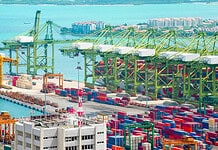
Additionally, the Cape Town Port operated with only 60% of its staff, significantly hampering ship movements, container discharge, and collection/deliveries. As a result, goods are not reaching production lines, and finished products are not reaching consumers.
Export activities are also affected due to concerns for staff safety, further impacting the movement of goods and products
- National Clothing Retail Federation:30% non-attendance, 30 — 40% latecomers, and a huge drop in the consumers through the stores. Numbers are down and will affect turnover
- PTSA: Training centre affected and forced to find overnight accommodation for affected students. Board meeting was cancelled due to airport security fears
Source: Cape Chamber of Commerce and Industry