









The skills reset: Why HR and ICT leaders must rethink “future-ready” talent
AS artificial intelligence, automation, and data-driven systems reshape business models across industries, HR and ICT leaders are facing a defining question: what does truly future-ready talent look like?
While technical expertise in AI, cybersecurity, data science, and cloud engineering remains in high demand, forward-looking organisations are recognising that technical ability alone will not determine success in the next decade. According to the World Economic Forum’s Future of Jobs Report 2025, technological change, economic uncertainty, demographic shifts, and geoeconomic fragmentation will significantly transform labour markets by 2030.
For HR and technology leaders, this means talent strategy must evolve beyond filling specialist roles.
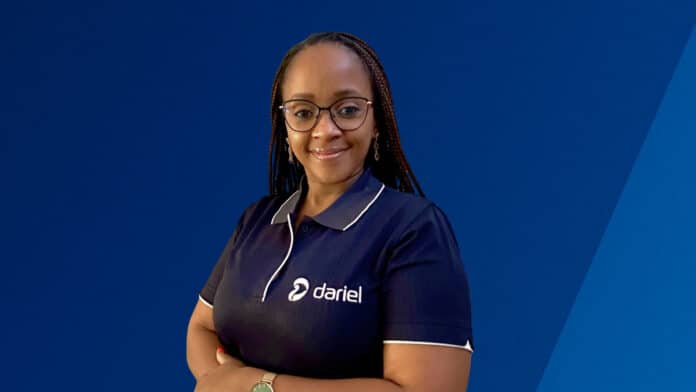
Lebo Masola-Mnjama, Talent Manager at Dariel Software, says the conversation has shifted from hiring technical experts to building digitally resilient teams.
“The real skills gap is no longer just about finding developers or cybersecurity specialists,” she explains. “It’s about cultivating professionals who can apply technology responsibly, think critically in complex environments, and translate innovation into real business outcomes.”
Technical depth still matters, but so does breadth
Demand for software engineers, AI and machine learning specialists, data engineers, and cloud security experts is expected to remain strong. As organisations increase reliance on digital infrastructure, resilience and trust depend on strong technical foundations.
However, Masola-Mnjama warns against siloed specialisation.
“The professionals who will thrive are those who combine deep technical knowledge with contextual awareness. Understanding risk, compliance, customer impact, and business strategy is what turns technical skill into business value.”
The rise of core human capabilities
Alongside digital expertise, HR leaders are placing increasing emphasis on human-centric competencies:
- Critical thinking: Analysing complexity and making sound decisions amid uncertainty.
- Problem-solving: Designing practical, sustainable solutions.
- Adaptability: Learning continuously as technology and regulation evolve.
- Curiosity: Driving innovation through experimentation and lifelong learning.
“These are not soft skills,” Masola-Mnjama stresses. “They are operational capabilities. In digital environments where change is constant, adaptability and judgement become competitive advantages.”
What this means for HR and ICT strategy
For HR departments, talent development must extend beyond technical certification programmes. Structured mentorship, cross-functional collaboration, and exposure to real-world problem solving are becoming essential components of workforce design.
For ICT leaders, building high-performing teams requires creating environments where engineers are encouraged to think beyond code – engaging with compliance, customer experience, risk, and ethical AI considerations.
“The safest career strategy today isn’t competing with technology,” says Masola-Mnjama. “It’s learning how to collaborate with it. The professionals who combine technical competence with judgement and adaptability will remain indispensable.”
As South Africa navigates a rapidly digitising economy, organisations that succeed will be those that invest equally in systems and in people — building not only smarter technology, but smarter, more resilient talent ecosystems.